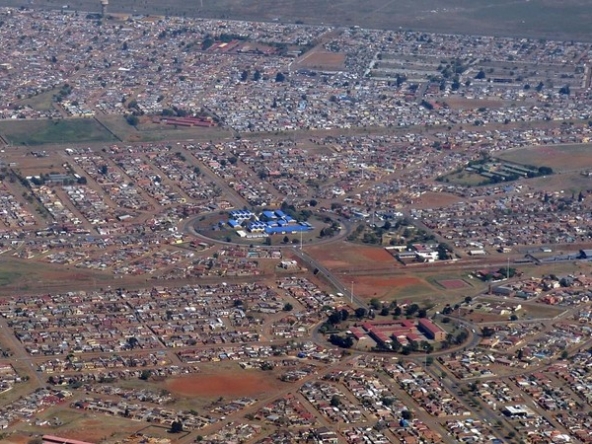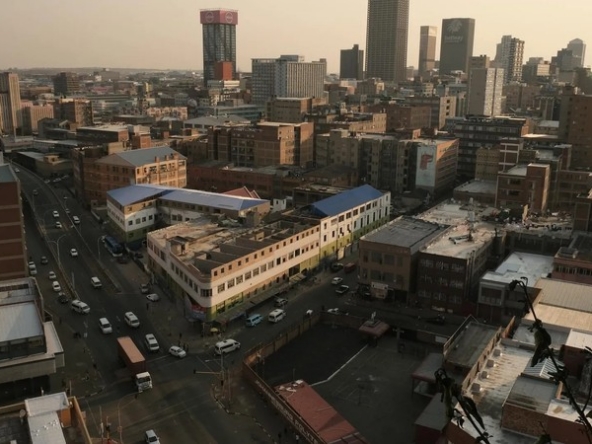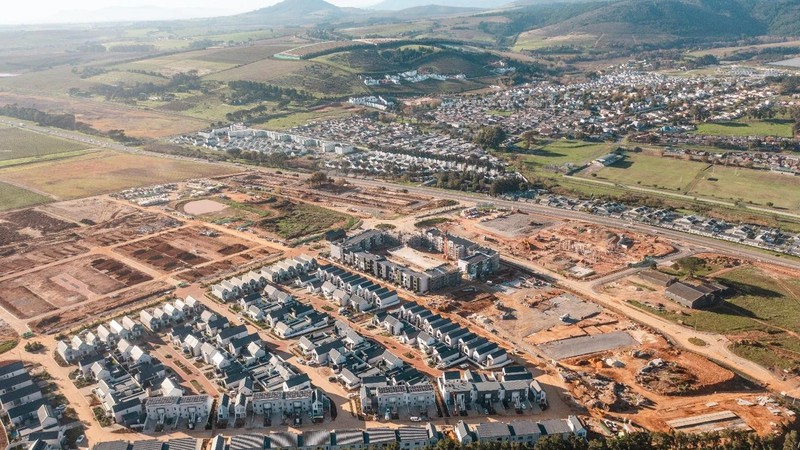

Township residential developments are no longer mere informal, owner-managed assets.
They are now evolving into professionally delivered investment-grade housing, says Matimba Masinga, the founder of Tiyanfumo Properties.
He says that today’s developments are:
• Built with durable, fit-for-purpose materials that reduce lifecycle costs
• Managed using smart technology (prepaid utilities, digital rent collection, property management systems
• Operated through structured processes that improve efficiency and accountability
• Designed with tenant experience in mind-security, maintenance responsiveness, and transparency
This shift is not just about better buildings – it is about better-performing assets.
Developers still opt to self manage
The property management company says it is seeing a recurring challenge: many small developers still choose to self-manage their properties.
“While this may seem cost-effective. it often leads to inefficiencies that erode rental income and limit growth. The reality is: development and management are two different disciplines,” says Masinga.
Self-management: Pros and risks
Pros:
• Full control over decisions
• Perceived cost savings
• Direct tenant relationships
Cons:
• Weak rent collection and rising arrears
• Limited scalability
• Poor financial tracking
• Delayed maintenance
• Legal and compliance risks
• Significant time burden
The hidden risk: Familiarity
• Over-familiarity with tenants often leads to:
• Inconsistent rule enforcement
• Payment leniency and revenue leakage
• Difficulty enforcing leases or evictions
• Blurred professional boundaries
Professional rental managers bring structure
The company says professional rental managers bring structure, systems, and impartiality-ensuring consistent enforcement and optimized income
If township developments are to scale into sustainable, high-performing investments, management must match the quality of development, says Masinga.
“Tiyanfumo Properties encourages small developers to partner with professional rental management companies rather than self-manage. Focus on building and growing your portfolio, Let specialists handle the operations, compliance and income optimisation.”
Earlier this year, the City of Tshwane Member of the Mayoral Committee(MMC) for Human Settlements Ald Aaron Maluleka said landowners seeking to establish new townships must first receive development authorisation.
Residents in the city of Tshwane are reminded that while landowners may seek to establish new townships, all development must first receive the required land development authorisation from the municipality.
He said this ensures compliance with the law and makes it possible for the City to provide essential services safely and sustainably
“The City has warned that unauthorised developments not only violate municipal by-laws but also lead to significant revenue losses through unpaid water, electricity and waste services. This weakens the City’s ability to maintain existing infrastructure and expand services for all residents,” said Maluleka then.
In December, businessman Lance Chalwin-Milton, the author and entrepreneur, GG Alcock and executive group chairman of Afrirent, Senzo Tsabedze, co-founders of a groundbreaking property evaluation system, said R2 to R3-trillion worth of real estate has transformed the rural and township property landscape.
They said that without access to title deeds, pay slips or even formal jobs, an estimated 90% of South Africans have cash-built homes one brick at a time without access to formal credit.
However, they said until this treasure chest of potential equity is unlocked, South Africa’s GDP growth could remain stunted at under 1%.
The complexity of township home ownership, tribal land ownership and RDP homes means the chance of getting title deeds is extremely slim: “The reality is that millions of homes will never get title deeds, especially in tribal and Ngonyama trust areas,” said Alcock.