


South Africa’s residential property market continued to show resilience in July, with more home loans being granted even as higher deposits put some pressure on applications, while luxury estates in Gauteng and the Western Cape continued to attract high-value buyers.
BetterBond’s August Property Brief showed that the number of home loans granted increased by 4.1% year on year in July and by 28% compared with July 2024.
Average house prices also remained relatively firm, with the average price for all buyers at R1.7 million and the average price paid by first-time buyers just above R1.4 million.
The latter represented a record high for first-time buyers.
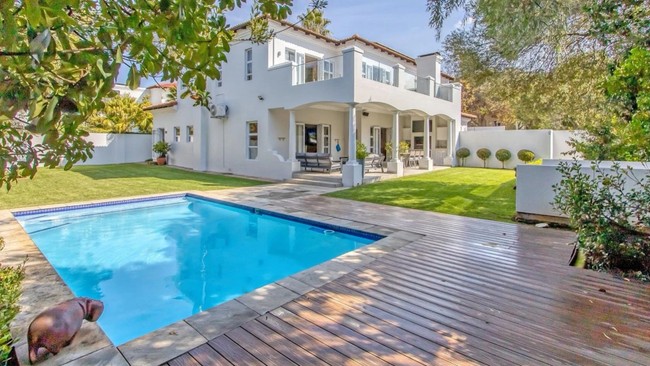
BetterBond said the improvement in affordability following interest-rate cuts since late 2024, together with rising average homebuyer incomes, had supported the market. Average homebuyer income had increased by 14% over the past two years.
The average home loan for a first-time buyer stood at R1.2 million, while the average deposit required was equivalent to 13.2% of the purchase price.
Although average deposits increased again in July, the ratio of deposits to annual salaries remained below a year earlier and had fallen 21% from its peak in the fourth quarter of 2022.
BetterBond’s figures showed that the improvement was not confined to one part of the country.
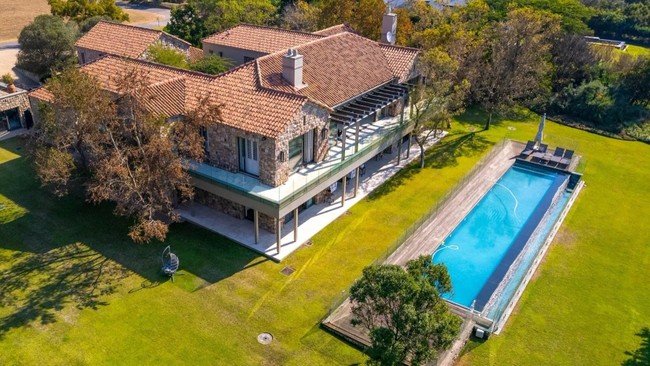
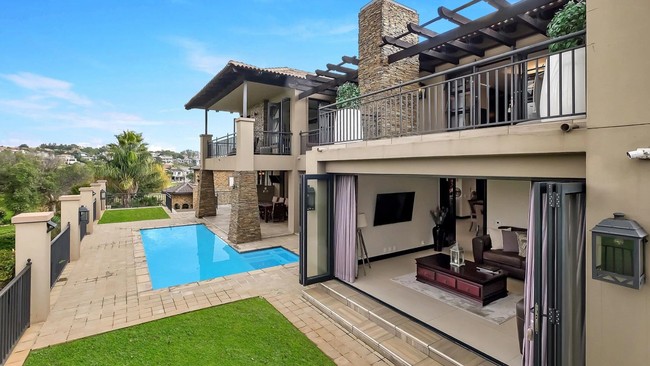
At the upper end of the market, Seeff Property Group said demand was increasingly shifting towards luxury residential estates in Gauteng.
Seeff said the growth of gated estates around Johannesburg, Pretoria and the wider Gauteng region had been significant over the past two decades, with estates increasingly dominating the high-end market in terms of average property values, price resilience and buyer demand.
Lightstone data cited by Seeff showed that estates accounted for 16.7% of all transactions in Gauteng but 28.6% of the value of transactions, worth more than R35 billion.
Properties selling for more than R4 million accounted for 11.2% of estate transactions, compared with 4.14% across the Gauteng market as a whole.
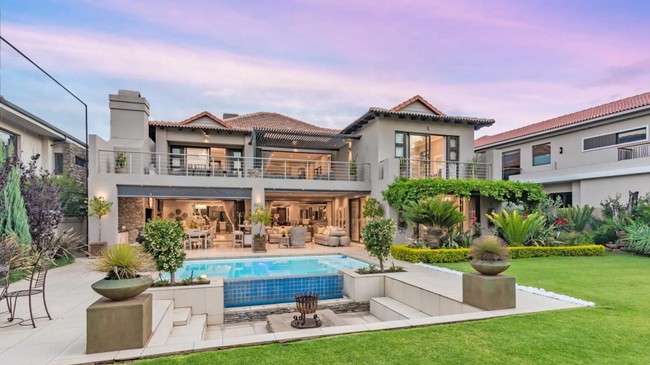
The average estate transaction was R2.37 million, about 76% higher than Gauteng’s overall average of R1.3 million. Luxury estate homes typically averaged between R3 million and R7 million, although individual properties reached substantially higher values.
Chairman Samuel Seeff said the desire for improved security and better services has led estate properties to achieve some of the highest average property prices.
In the Western Cape, the luxury and hospitality market was also attracting attention. A Park Avenue Boutique Estate in Hout Bay had been brought to market for R114 million plus VAT, according to Seeff Hout Bay property specialist Ingred Killa.
The property was being offered off-market before public advertising, with Killa saying its comprehensive hotel zoning made it a rare investment opportunity in an area with a shortage of hotel-zoned properties.
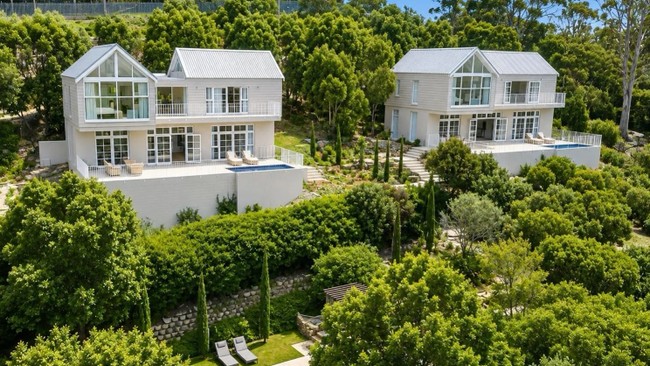
The estate covers 8,527 square metres and includes a five-suite manor, four two-bedroom villas, a treehouse cottage, spa, swimming pool, conservatory, commercial kitchen and event facilities.
Killa said the property could potentially be operated as a luxury boutique resort, corporate retreat or wellness facility. The hospitality opportunity comes as tourism into the Western Cape continues to grow.
According to figures cited by Seeff, international arrivals to the Cape increased by 11.1% to 1.5 million in 2025, while tourist spending increased by 15.4% to R26 billion. Regional hotels recorded average occupancy of 71%, rising to 80% at peak periods.
BetterBond’s latest data also pointed to continued growth in tourism nationally, with overseas arrivals to South Africa increasing by 5.6% year on year during the first six months of 2026. Europe remained the country’s largest source region, followed by North America.
Killa said Hout Bay’s property market had attracted local, upcountry and international buyers, particularly from Germany and the UK. She said average property values in the area had doubled over the past five years, while recent sales negotiated by Seeff had reached R40 million and R65 million.
Yet, BetterBond said slow growth in building plans approved by larger municipalities, combined with weaker lending towards new buildings, could contribute to a future supply deficit.
IOL BUSINESS


